Mock interviews need repetition more than inspiration
Friends are generous, but few will sit through fifteen takes of Tell me about yourself at midnight. Fluency in interview English requires exactly that kind of repetition: same prompt, fresh delivery, incremental fixes to structure, pace, and filler words.
AI mock interviews shine when you need unlimited reps, consistent scoring themes, and a low-embarrassment space to sound bad before you sound clear. They are weaker when you need company-specific insight or human chemistry across a panel.
Used well, AI removes language stress so you can spend human energy on researching the employer. Used poorly, it becomes a script factory you cannot defend aloud.
Why AI practice fits Saudi hiring timelines
Screening calls can appear quickly after you apply to programmes in Riyadh or remote-friendly regional roles. Waiting for a coach appointment is not always realistic. A tool available on your phone lets you rehearse between shifts or study blocks.
English interviews remain a filter even for strong local CVs. AI can ask follow-ups, push for examples, and remind you when you never stated a result — behaviours that mirror real interviewers more than silent reading does.
Still treat AI as a sparring partner, not an oracle. You remain responsible for truthfulness about your experience and for learning the company's context from primary sources.

What AI does better than a casual friend
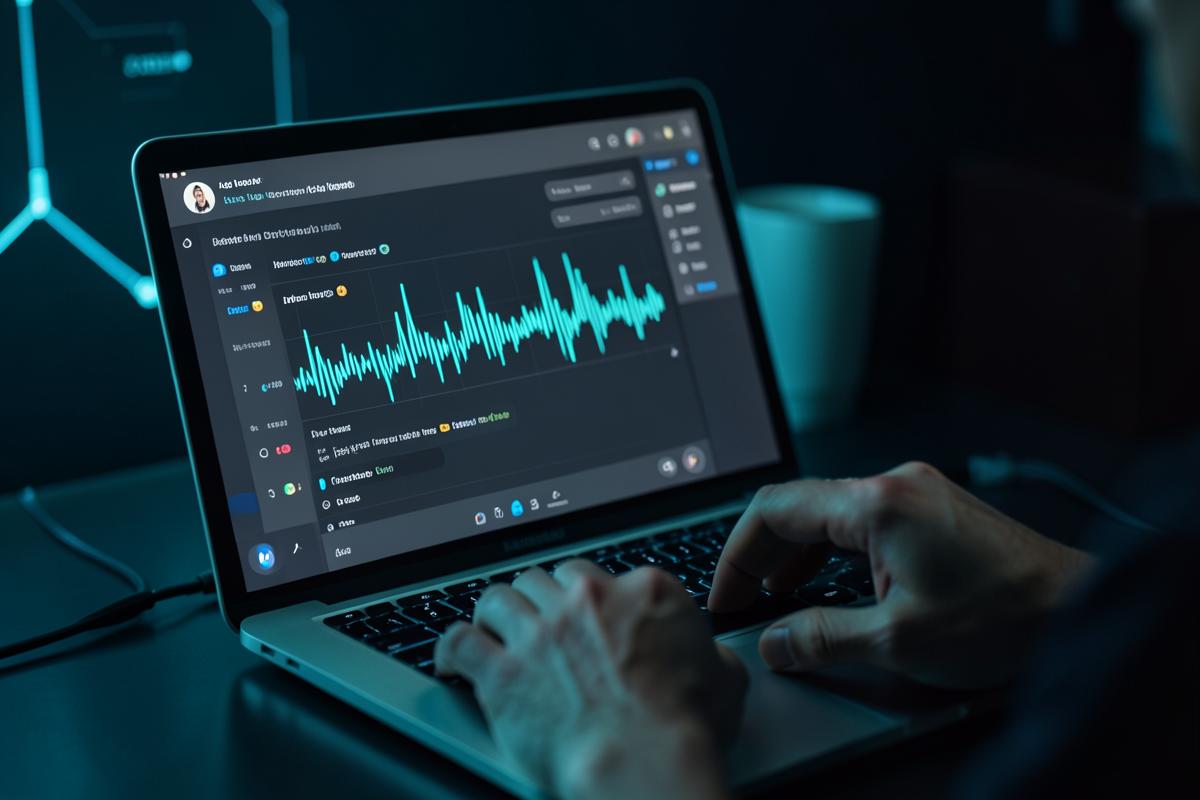
Repetition without social fatigue. Availability outside office hours. Feedback themes you can track across sessions: pace, fillers, whether you answered the question, presence of a result metric, and overlong introductions.
Neutral tone when you stumble. Structured prompts covering the common twelve interview questions. Optional difficulty increases such as interrupting mid-answer — useful inoculation for real panels.
Logging progress helps motivation. Seeing filler counts drop over two weeks is more concrete than I think I am improving.
Two things AI cannot replace
Real company knowledge: products, customers, Saudi market moves, and why this team exists. Read careers pages, recent news, and the job description until you can say one specific, true reason you applied.
Human chemistry and judgement: reading the room, matching formality, noticing when an interviewer wants a shorter answer. Practise with people periodically so you do not only optimise for a bot's rubric.
AI also cannot ethically invent your achievements. If a suggested story is not yours, discard it. Interviews punish fiction quickly.

A practical AI rehearsal workflow
Pick three target questions for the week. Do five timed answers each without notes. Review feedback and rewrite only weak sentences. Re-record tomorrow. Midweek, add two surprise follow-ups. Weekend, run a full fifteen-minute mock including your questions for the interviewer.
Keep a truth file: bullets you are allowed to claim, tools you can discuss, and numbers you can defend. Paste from that file into practice so AI suggestions stay grounded.
After each session, write one improvement in plain language: Cut intro by twenty seconds, or Name the result earlier. Small instructions beat vague try harder notes.
Examples of useful versus shallow AI use
Useful: Ask the tool to interrupt you and request a sharper result. Shallow: Ask it to write a perfect answer you will memorise word for word. Useful: Compare two of your recordings for filler density. Shallow: Generate twenty buzzwords to sprinkle into every reply.
Useful: Role-play a hiring manager for an operations coordinator in Jeddah and demand local examples. Shallow: Accept generic multinational stories that ignore your actual path.
If the AI's English is more polished than you can speak, simplify the script until it matches your mouth. Spoken authenticity outperforms decorative vocabulary you will drop under stress.
Mistakes and a checklist
Practising only typing chat, never voice. Hiding your real gaps so feedback stays flattering. Ignoring research on the employer. Overfitting to one AI's preferred answer shape. Skipping rest so your voice sounds exhausted on the real call.
Checklist: voice mode on, timer on, truth file open, three questions chosen, one human mock scheduled this month, employer notes completed before final rounds.
When feedback conflicts with your authentic experience, keep the experience and change the wording, not the facts.
How KalimaCareer helps
KalimaCareer is building AI-assisted career English practice for Saudi job seekers and professionals, with an emphasis on spoken interviews and clearer professional communication. We are opening to founding members through a free waitlist first. Joining the waitlist does not require payment.
AI can prepare you for interviews when you use it for reps, structure, and calm delivery — then invest human effort in truth and company research. That combination is honest, practical, and aligned with how hiring decisions actually feel in the room.
If you only remember one workflow: voice reps daily, employer research before finals, and never claim a story you cannot defend. That is enough to make AI practice useful instead of theatrical.